

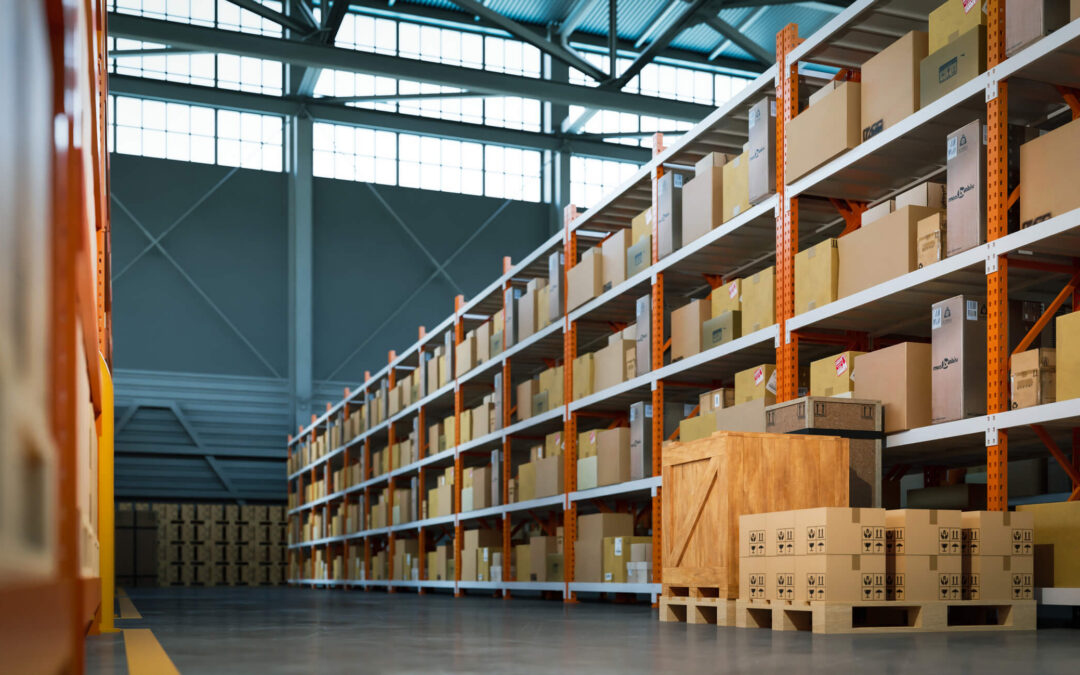
Holiday inventory needs floor space that, in a lot of stockrooms, is currently buried under broken pallets, crushed cartons and last year’s slow sellers. Clear it in November. Once the first seasonal truckload backs up to the dock, nobody has a free afternoon to haul junk, and the broken pallets end up in the aisles beside the new freight. A warehouse cleanout goes fastest with one large roll-off on site, a recycling plan for the cardboard and a separate corner for anything the container can’t take. BG’s Big Box Service lists warehouse cleanouts among the jobs for its 40-yard Highboy. Start there.
Quick Summary: Key Takeaways
- Container: the 40-yard Highboy for a full warehouse, the Lowboy 20 for a backroom.
- Pallets: set the intact ones aside for a pallet recycler before loading the broken ones.
- Cardboard: bulk corrugated goes to the recycling service state law already requires of larger businesses.
- Returns: electronics, batteries, tires, paint and chemicals never ride in the roll-off.
The Highboy 40 Is Built for a Warehouse Cleanout
A full stockroom purge calls for the 40-yard Highboy, and BG’s names retail, office and warehouse cleanouts among that box’s jobs. Packaging, broken wood shelving, old office furniture, pallet wood and drywall from a torn-out storeroom wall are light-to-medium-density loads, the material the 40 was designed for. Both rear doors swing fully open. A hand truck rolls straight to the back.
Heavy material is the exception. Concrete, dirt and asphalt don’t suit the Highboy. A backroom behind a storefront often fits the Lowboy 20 instead, which holds about half as much and loads through the same two rear doors.
Intact Pallets Are Worth Pulling Out First
Sort the pallets before anything gets loaded. They’re often the biggest pile in the building. Plenty still have use left.
EPA data show pallets make up over 90 percent of wood packaging, yet only 3.1 million tons of wood pallets were recycled in 2018, mostly by chipping, against 18.1 million tons of wood discarded in household and business trash that year. A pallet with cracked deck boards and a split stringer is waste. A whole one is inventory for somebody else, so set the intact ones on their own row for a pallet recycler and load only the broken ones.
Bulk Cardboard Belongs With the Recycling Hauler
Cardboard is a normal roll-off load, but clean corrugated in bulk should go to recycling. Since a 2012 amendment, CalRecycle’s mandatory commercial recycling rule has required any business generating 4 cubic yards or more of commercial solid waste a week to arrange recycling service.
Plenty of distribution floors clear that line every week. So break down the cartons from inbound freight, bundle them by the dock door and send them out with the recycling. Soaked or shredded ones can ride in the cleanout load.
→ commercial clearance dumpsters
Returned Stock Needs Sorting Before It Goes In
Some returns can’t go in a dumpster at all. Electronics, batteries, tires, paint and chemicals are on BG’s prohibited list, and TVs, monitors and computers count as universal waste under California rules.
Check the returns cage. A box of returned phone chargers, a case of aerosol cleaner, a stack of display monitors: none of it goes in, so pull those into their own corner for an e-waste or hazardous-waste route before loading starts. Broken display racks, damaged soft goods, cracked plastic totes and expired paper inventory are ordinary debris and can go straight in.
Put the Container Where the Forklift Isn’t
Set the box where a roll-off truck can back in straight, usually a lot corner or a spot beside the dock apron, and keep the forklift lane clear. Block that lane and receiving stops too.
For lots off San Fernando Road and along Sunland, BG’s Sun Valley yard is minutes away, so a full box can be swapped mid-job while the crew keeps sorting. Daily, weekly and monthly rentals are all offered. That means a two-day purge before the first holiday truck and a slow, shelf-by-shelf clearance that runs into December can both be booked the same way.
→ roll-off rental in Sun Valley
Frequently Asked Questions
Q: How do you dispose of pallets?
A: Sort them first. Intact pallets can go to a pallet recycler or buyer, while broken ones with cracked boards or split stringers go into a roll-off with other wood debris.
Q: Can I throw cardboard in a commercial dumpster?
A: A little, yes. But a business that tops 4 cubic yards of trash a week is already required by state law to have recycling service, so bulk corrugated belongs with that hauler.
Q: Can returned electronics go in a dumpster?
A: No. TVs, monitors and computers count as universal waste in California, and BG’s prohibited list also keeps out batteries, tires, paint and chemicals, so those go to an e-waste or hazardous-waste route.
Clear the Floor Before the Freight Arrives
Tag what’s leaving before you call. Count the racking, the broken pallets and the dead stock, and set aside anything from the prohibited list, so the first box sent is the right one. Send that count through the contact page on bgsbigboxservice.com and mention the dock layout so the driver knows where the box goes. BG’s yard is at 8629 Bradley Ave. #A, Sun Valley, CA 91352.